FILTERS
RESULTS (3 products)
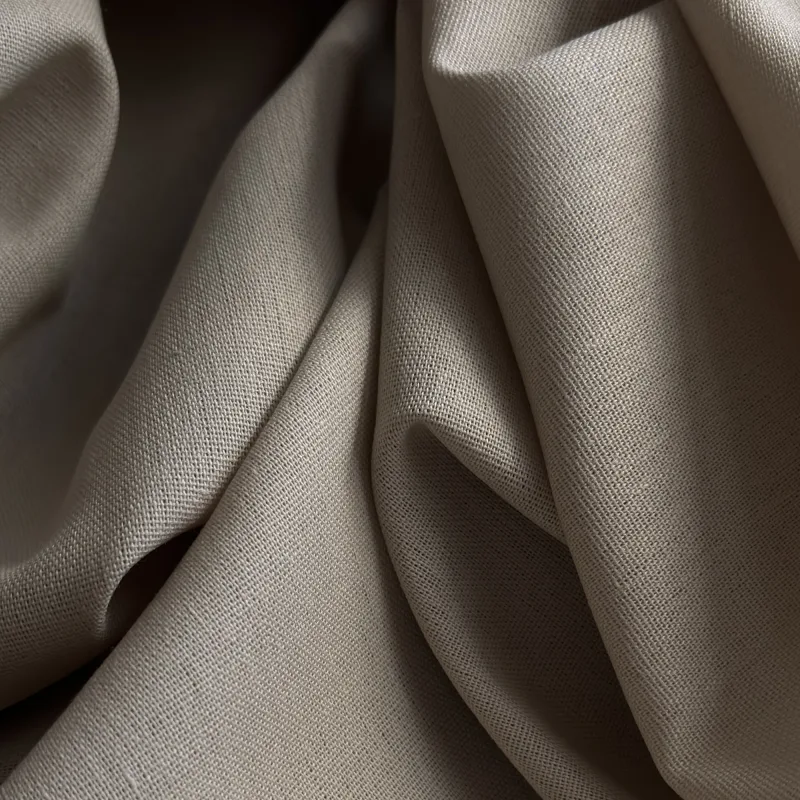
Linen fabrics are a summer base material made from 70% viscose and 30% linen, combining the structure and rustic appearance of linen with the softness and soft drape of viscose. Both fibres are natural-based, so the material breathes excellently, wicks moisture and creates a cool sensation on the skin even in the heat of summer. The viscose content reduces the tendency to wrinkle and eliminates the stiffness of linen, making the material easier to iron and better at following the body’s lines. It is an excellent base material for maxi dresses, shirt dresses, flowing blouses, palazzo trousers, light scarves and home textiles; pre-washing before sewing is required. Its knitted, stretchy counterpart is viscose jersey.

LINEN FABRICS DETAILED DESCRIPTION
Linen fabric
Linen fabric is a linen and viscose-based fabric, one of the most popular summer base materials, as it combines linen's body and rustic appearance with viscose's softness and soft drape. Linen fabric appears in various application areas, for example in making apparel textiles, home textile decoration purposes, as an industrial filter material or even as a natural-looking packaging material.
Composition and structural characteristics
Linen fabric is a material with a composition of 70% viscose and 30% linen. Linen, as a natural fibre, can provide a characteristic, slightly rustic surface and good breathability. Viscose contributes to the material's softer drape and more pleasant feel. The base material woven purely from cotton, without linen, is cotton woven fabric.
The textile's structure is generally woven, resulting in a more stable construction. This structure allows the material to be used under various stress conditions while retaining its characteristic appearance.
Why is this pairing good?
Wrinkles less: Unlike pure linen, due to the viscose content the material is more flexible, so it does not crease as sharply, and is much easier to iron.
Excellent breathability: Both fibres are natural-based, so the material ventilates and "breathes" excellently, creating a cool sensation on the skin even in the greatest heat.
Soft drape: Viscose takes away linen's stiffness, so the material follows the body's contours nicely, without standing rigidly.
Moisture-absorbing: It excellently wicks away moisture, so you don't feel that stuffy, "sweaty" sensation that you get with synthetic materials.
Thanks to the viscose component, the textile can have a softer drape, while polyester increases resistance and can reduce the tendency to wrinkle. The combined fibre composition results in balanced properties, so the material can be both aesthetic and practical.
Applications
For apparel textiles, linen fabric can be suitable for making various garments, such as summer wear or lighter tops, where a natural effect and breathability are important. If you need a knitted, therefore stretchy material for this same soft drape, viscose jersey is its counterpart.
In home textile decoration, the textile can be used for making curtains, tablecloths or decorative elements, where the natural appearance and structured surface play a key role. As an industrial filter material, the woven structure and the material's stability can be decisive.
Summer apparel: Maxi dresses, shirt dresses, flowing blouses.
Bottoms: Wide-leg palazzo trousers, bermuda shorts, summer jackets.
Accessories: Light scarves or even stylish home textiles.
Considerations for choosing
When choosing linen fabric, it is worth considering the proportions of the material's composition, the surface structure and the intended use. For apparel use, comfort and drape, for home textiles, appearance and light transmission, while for industrial applications, durability and structural stability may be decisive. As a packaging material, both the aesthetic and practical properties of the textile are important. For more festive summer pieces with a shinier surface, crinkle silk gives a similarly light drape.
Key properties
- linen, viscose and polyester composition
- natural-looking appearance
- structured surface
- balanced material properties
- good breathability
- more durable structure
- versatile usability
Frequently asked questions
Care tips
Pre-treatment: Since these are natural fibres, the material may shrink at the first wash. Be sure to wash or steam it thoroughly before sewing!
Ironing: Easiest to smooth out while still slightly damp.
What is the advantage of the blended fibre composition?
Linen gives a natural appearance, viscose provides a softer drape, while polyester increases durability.
Is it suitable for decorative purposes?
Yes, due to its natural-looking surface and structure, it is particularly suitable for decorative use.