FILTERS
RESULTS (2 products)
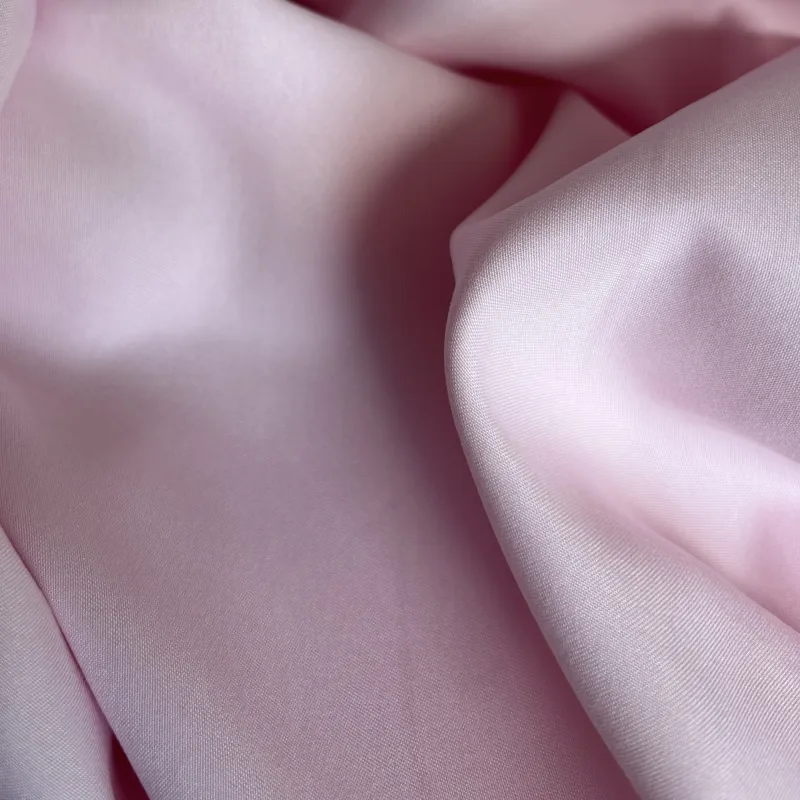
Polyester fabric is a 100% polyester-based textile, known for its durable structure, easy handling and quick drying. Polyester fibres withstand mechanical stress well, do not pill, do not stretch and retain their shape and colour even after many washes. It can be used as a base material for apparel, sports equipment, home textiles – curtains, covers, decorative elements – and industrial applications. Its varied weave structure allows it to be produced in smooth, structured or technical finishes. Its natural-based counterpart is cotton woven fabric.
POLYESTER FABRIC DETAILED DESCRIPTION
Synthetic fabric
Synthetic fabric is a textile category based on 100% polyester, known for its versatile usability and durable structure. This narrower fabric group includes textiles made using different weaving methods, and can be widely used in apparel, home textile, industrial and sports equipment applications. One of the main characteristics of synthetic fabric is that, due to the synthetic base material, it is a resistant, easy-to-handle textile with varied properties.
Composition and structural design
Synthetic fabric is made from 100% polyester, which as a synthetic fibre provides a shape-retaining textile, high durability and stability. Polyester fibres withstand mechanical stress well, and textiles with different structures can be created using various weaving or knitting processes. Its natural-based equivalent is cotton woven fabric, which breathes better but dries more slowly.
The structural design significantly influences the material's properties: it can be denser and tighter-surfaced, or looser and more breathable. This variability allows synthetic fabric to adapt to numerous application areas. For natural and blended variants it is worth looking through the woven fabrics main category as well.
Material properties
One of the most important properties of synthetic fabric is durability and resistance. Due to the polyester base material, the fabric withstands everyday use well and is less prone to wrinkling. It is also a quick-drying and easy-to-handle textile.
Depending on the surface design, the textile can be smooth, structured or even technical in nature. Synthetic fabric often holds its shape well, which is particularly important for apparel and industrial use. For sports equipment, light weight and quick drying are advantages. In such cases mesh fabric is worked in as a ventilating insert.
Applications
In apparel use, synthetic fabric appears as a base material for various garments, where durability and easy handling are important considerations. It does not stretch, does not pill, and remains durable even under intensive use. For home textiles, it can be used to make curtains, covers or decorative elements.
In industrial use, the textile can appear in areas where a resistant and stable material is needed. For sports equipment, synthetic fabric offers a lightweight and practical solution, particularly for products where quick drying and durability are decisive.
Considerations for choosing
When choosing synthetic fabric, it is important to consider the structural design, the intended use and the expected properties. For apparel purposes, comfort and appearance, for home textiles, aesthetics, while for industrial use, durability and resistance may be decisive. For sports equipment, weight and drying time are also important considerations. For outdoor use, instead of uncoated polyester, PU-coated water-repellent fabric protects against precipitation.
Key properties
- 100% polyester composition
- durable and resistant structure
- easy-to-handle material
- quick-drying textile
- varied structural design
- wide range of applications
- suitable for industrial and sports purposes
Frequently asked questions
What is synthetic fabric used for?
Synthetic fabric can be used for apparel products, home textiles, industrial purposes and sports equipment.
What are the advantages of polyester?
Polyester is durable, easy to handle, dries quickly and resists wrinkling well. Wrinkle-free: A time-saving solution for everyday life.
Is it suitable for sports purposes?
Yes, due to its light weight and quick drying, it can be well used for sports equipment.
Can it be used for home textiles?
Yes, it is also suitable for making curtains, covers and decorative elements, for example.