FILTERS
RESULTS (5 products)
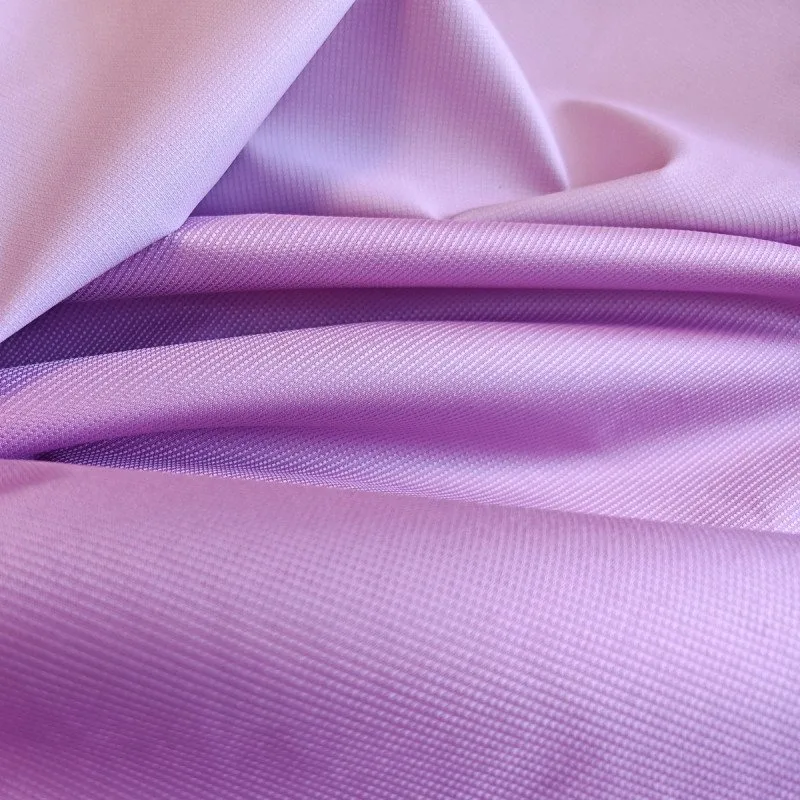
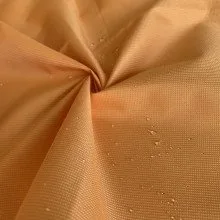
Coated waterproof fabric is made with a polyurethane layer applied to a polyester and nylon base: water droplets bead up on the surface and simply run off, keeping the material drier in shorter rain showers. The coating forms a flexible layer that maintains the base material’s flexibility and provides easier cleaning against everyday dirt. It can be used as a base material for raincoats, windbreakers, workwear, outdoor furniture covers, tents, hiking backpacks and toiletry bags. The water column value (mm) of the products indicates the actual level of water resistance. For more durable protection that does not wear off, the TPU film laminated version is recommended.
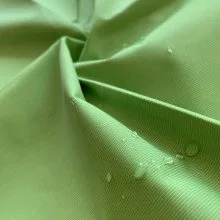
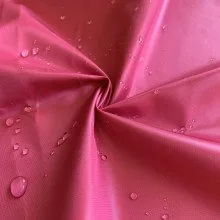
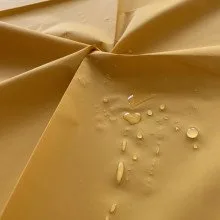
COATED WATERPROOF FABRIC DETAILED DESCRIPTION
Water-repellent fabric with coating
Welcome to the world of functional fabrics! In this category, we have selected special fabric by the metre with a water-repellent coating, which are not only aesthetic but also resistant to moisture and environmental effects. Our water-repellent fabrics with PU coating are a polyester, nylon-polyester textile category, developed specifically for protection against moisture and durability. This narrower fabric group includes coated textiles that help water droplets bead off, while retaining the base material's flexibility and usability. The water-repellent coating can be widely used in apparel, outdoor furniture, tent making and workwear manufacturing, where protection against environmental effects is of primary importance.
Composition and coating technology
What does a water-repellent coating mean? These materials receive a polyurethane layer that prevents water droplets from being immediately absorbed between the fibres. Moisture gathers into small beads on the surface of the material, so it can simply be shaken off or wiped away.
During the coating technology process, a thin layer is applied to the surface of the textile, which reduces moisture absorption. This does not necessarily mean complete waterproofing, but it can significantly increase the material's resistance to precipitation. For more durable protection that better resists abrasion, the TPU film laminated version is recommended.
Material properties
One of the most important characteristics of the water-repellent coating is that water droplets are not immediately absorbed into the material, but remain on the surface and roll off. This helps keep the textile drier for shorter periods of moisture exposure.
The combination of polyester and nylon provides durability and tensile strength, while the PU coating forms a flexible layer. The material is generally lightweight, easy to handle and resistant to everyday use. The surface can be smooth or have a slightly coated effect, depending on the manufacturing process. An uncoated, plain technical carrier material can be found in our polyester fabric range.
Easy to clean: Dirt adheres less easily, and most stains can be immediately removed with a damp cloth.
Versatility: Our range extends from lightweight technical fabrics to heavier, outdoor canvases.
Applications
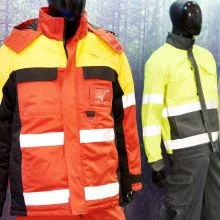
In apparel use, the water-repellent coating is particularly useful for coats, jackets or workwear, where protection against moisture is important. For outdoor furniture, the material can help reduce the harmful effects of moisture while preserving the textile's structure. Apparel: Rain capes, windbreakers and technical apparel accessories (e.g. gaiters).
In tent making, the coating contributes to protection against precipitation, while for workwear, durability and practical usability come to the fore. Due to the material's versatility, it also appears in various outdoor and industrial applications.
Bags and backpacks: An ideal base material for hard-wearing trekking backpacks, toiletry bags or shopping bags. For those looking for a lined, jacket-weight functional material, lightweight softshell is the next step.
Considerations for choosing
When choosing a water-repellent coating, it is important to consider the desired level of water repellency, the material's thickness and the intended environment of use. For apparel purposes, comfort and flexibility may be decisive, while for outdoor applications, durability and environmental resistance may be more important. For tents and workwear, the quality of the coating and structural stability take on a prominent role.
Key properties
- polyester, nylon and PU composition
- water-repellent surface
- durable and resistant structure
- lightweight and easy-to-handle material
- flexible coating layer
- suitable for outdoor and industrial use
- wide range of applications
Frequently asked questions
What is the water-repellent coating used for?
Textiles with a water-repellent coating can be used for apparel, outdoor furniture, tents and workwear.
Is the material completely waterproof?
The water-repellent coating does not always mean complete waterproofing, but it helps protect against moisture.
What materials is it made of?
The carrier textile is made from polyester and nylon, which is given a PU coating.
Buying tip
For every product, we indicate the water column pressure (mm), which shows how much load the material can withstand. The higher this value, the heavier rainfall the textile can withstand. Our softshell help page gives guidance on interpreting the values.