FILTERS
RESULTS (4 products)
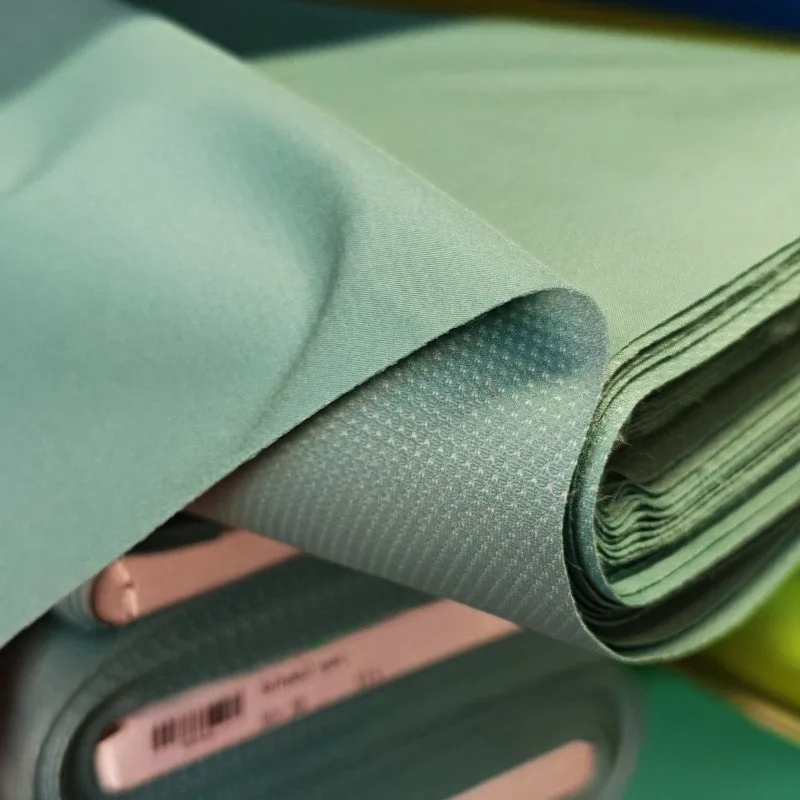
Lightweight softshell fabric is a lightweight, flexible functional textile based on polyester and TPU membrane, whose inner side is jersey or mesh fabric – providing comfortable wear even in milder weather. The breathable TPU membrane provides wind-resistant and water-repellent protection while body moisture can escape; the moisture vapour transmission value (g/m²/24h) and water column pressure (mm) indicate the specific material’s performance. It is a popular base material for windbreakers, sports tops, hiking clothing, transitional jackets and workwear elements, where freedom of movement and light weight are decisive. For children’s clothing, choosing a variant with OEKO-TEX Standard 100 certification is recommended. For colder weather, the polar fleece lining of heavyweight softshell gives more heat retention.
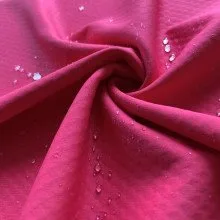
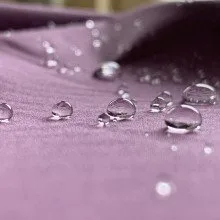
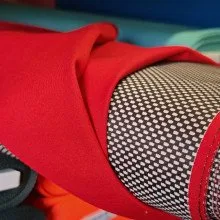
LIGHTWEIGHT SOFTSHELL FABRIC DETAILED DESCRIPTION
Thin softshell
Thin softshell is a polyester and TPU based textile category, belonging to technical textiles due to its lighter, more elastic construction. This narrower fabric group includes textiles primarily designed for active use, where the balance of freedom of movement, wind protection and comfort is decisive. Thin softshell is particularly suitable for making windbreakers, sports tops, workwear elements and hiking apparel, where the material must adapt to changing conditions. As a fabric by the metre, it is particularly popular because it combines wind resistance, water-repellency and good breathability in a single material.
Composition and layer system
The face side of thin softshell is typically a thinner woven polyester fabric. The middle layer is a TPU (thermoplastic polyurethane) film layer. The inner side has a thinner design, usually with a jersey or mesh material inside, making it comfortable even in milder weather. The polyester outer layer provides mechanical resistance and durability, while the TPU membrane plays a functional role, for example in terms of wind protection and limited moisture permeability.
The textile generally has a multi-layer structure, but compared to thicker variants it has a lighter and thinner design. This construction allows the material to be more elastic and better ventilated, while retaining the basic protective properties characteristic of technical textiles.
Material properties
One of the most important characteristics of thin softshell is its light weight and good freedom of movement. The material can be more elastic than thicker softshell variants, providing more comfortable wear during active use. The polyester base material contributes to durability, while the TPU layer helps with wind protection. The degree of moisture protection and breathability depends on the type of TPU film. There are TPU films that meet minimum requirements and there are films with specifically high values that satisfy even extreme requirements.
Water-repellent and wind resistant: the outer layer and the middle membrane protect against wind and light rain, while allowing the body to breathe.
Breathable: has a breathable membrane. This layer allows body vapour (sweat) to escape while not letting wind and moisture in from outside.
Elastic: often contains elastane, so it does not restrict movement.
Durable: a hard-wearing material that withstands outdoor use well.
Applications
For windbreakers, the primary role of thin softshell is to provide protection against the wind, while the material does not hinder movement. For sports tops, the lightweight structure and breathability support comfortable wear during active activity.
In workwear, the textile can be used in areas where light weight and freedom of movement are important, while basic protection is also needed. For hiking apparel, thin softshell adapts well to changing weather conditions, especially in transitional periods.
Considerations for choosing
When choosing thin softshell, it is worth considering the desired level of protection, breathability and elasticity. For sports and hiking apparel, comfort and freedom of movement; while for workwear, durability and functionality can be decisive. The thickness of the material and the given usage environment can also be important considerations. For simpler moisture protection without a membrane, PU-coated water-repellent fabric may also come into consideration.
One of the biggest advantages of softshell fabric by the metre is that it has a breathable membrane. This layer allows body vapour (sweat) to escape while not letting wind and moisture in from outside.
Key properties
- polyester and TPU composition
- lightweight, thin structure
- wind-resistant property
- good breathability
- more elastic construction
- quick-drying material
- suitable for sports and outdoor use
Frequently asked questions
Breathability (moisture vapour transmission)
This is the most important value if you want to avoid sweating inside. It shows how much water vapour can escape through 1 square metre of material within 24 hours.
Unit: g/m²/24h
3,000 g/m²: Low value. Suitable for walking and urban use, but you may sweat inside during intensive movement (e.g. cycling, running)
5,000 – 10,000 g/m²: Good quality, recommended for general hiking and more active movement.
Above 15,000 – 20,000 g/m²: Excellent breathability. Effectively channels away moisture even during intensive sports activity.
How does it differ from thick softshell?
Thin softshell is lighter, more elastic and generally has better breathability, while the thick variant provides greater protection.
Waterproofing (water column)
3,000 – 5,000 mm: Resists drizzle and short showers.
10,000 mm: High waterproofing. Keeps you dry even in more persistent rain; this is one of the most popular choices in the range of Bontis.hu and similar outdoor stores.
Above 20,000 mm: Extreme waterproofing, for professional mountain conditions.
RET index: breathability is sometimes given as a RET number. Here, the lower the number the better: a value below 6 counts as extremely breathable. For interpreting the numbers, you will find a detailed guide on our softshell help page.
What else should you pay attention to with fabric by the metre?
OEKO-TEX certification: if you are buying the fabric for children's clothing, it is worth choosing one that has OEKO-TEX Standard 100 certification, so you can be sure it does not contain harmful chemicals.